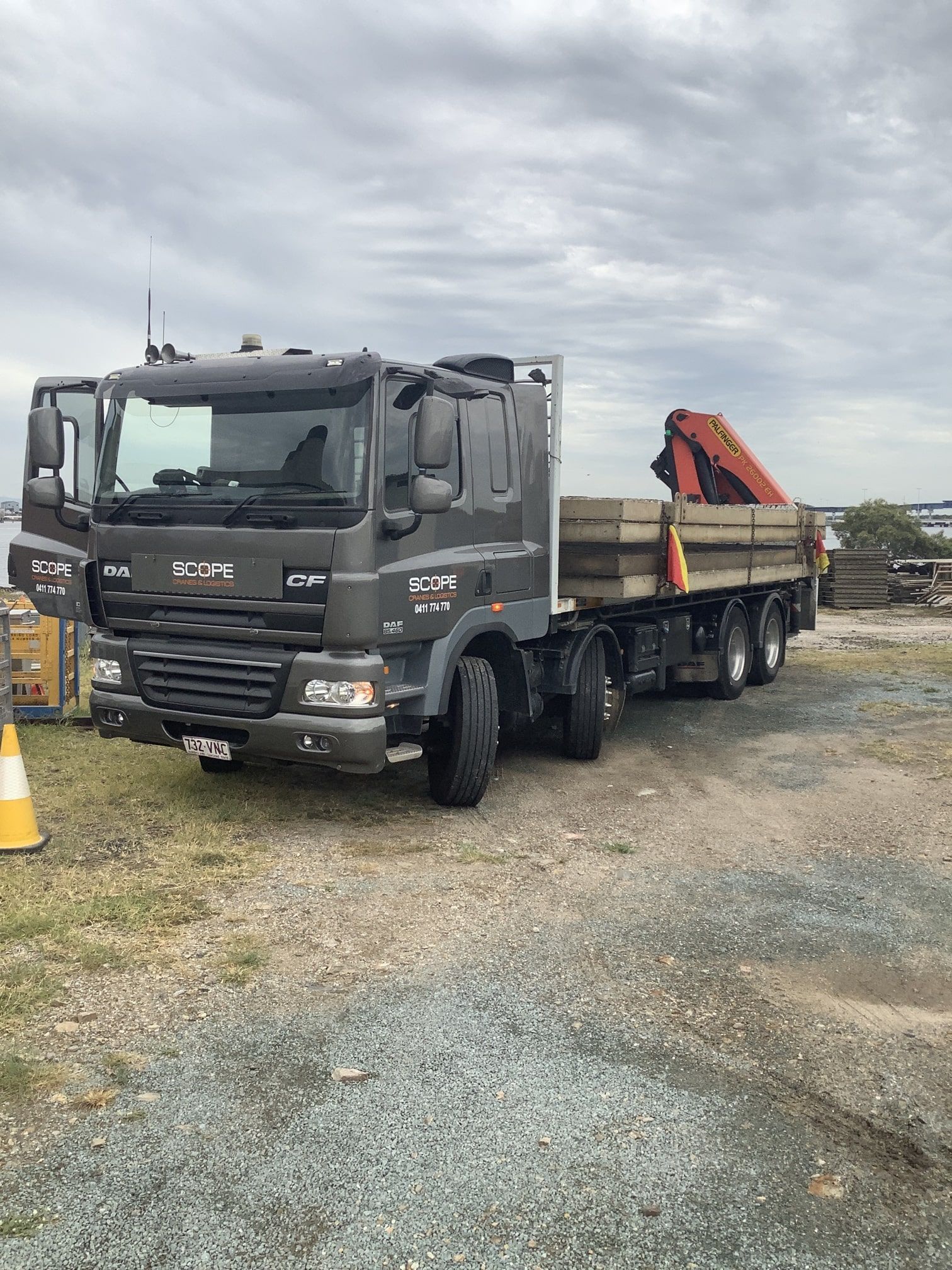
Planning for Success: The Importance of a Comprehensive Crane Lifting Plan in Mobile Crane Hire
In the dynamic world of construction, the success of a project often hinges on meticulous planning and precise execution. One critical aspect that demands careful attention is the use of mobile cranes for lifting and transporting heavy materials. A comprehensive crane lifting plan is not just a regulatory requirement; it's a blueprint for safety, efficiency, and cost-effectiveness.
From assessing loads and site conditions to selecting the right crane and ensuring operator competence, we'll cover the key components that make a lifting plan an indispensable tool for any construction project.
What is a Crane Lifting Plan?
A crane lifting plan is a detailed document that outlines the safety risks and necessary precautions for a lifting operation. It includes information about the load, crane specifications, lifting procedures, and safety measures. The plan ensures that all aspects of the lift are carefully considered before the operation begins, covering factors such as the weight and dimensions of the load, height restrictions, and environmental conditions.
How to Create a Crane Lifting Plan
1. Weight, Dimensions and Stability
The first step in creating a lifting plan is a detailed analysis of the load to be lifted. This includes determining its weight, dimensions, and center of gravity, which are crucial for selecting the right rigging equipment and ensuring the load is balanced and secure during the lift.
2. Height Restrictions and Wind Speed Considerations
The lifting plan must consider any height restrictions at the site and the maximum safe lifting height for the crane, based on the load weight and boom angle. Wind speed is another critical factor, as it can affect the crane's stability and the load's movement during the lift.
3. The Crane Manual
The crane's manual provides essential information on its capabilities, including maximum load capacities at various boom lengths and angles. This information is vital for ensuring that the crane is operated within its safe working limits.
Steps to Prepare for the Lift
1. Conduct a Thorough Site Assessment
A site visit is essential to assess the ground conditions and identify any potential hazards, such as overhead obstructions or uneven terrain. This information helps determine the best location for the crane setup and the safest path for the crane's entry and exit.
2. Select the Right Mobile Crane
The choice of crane depends on the specific needs of the lift, including the load's weight and dimensions and the site's ground conditions. Factors such as the crane's load capacity, lifting height, and the ability to navigate the site terrain are crucial in this decision.
3. Plan the Crane's Entry, Exit, and Navigation On-Site
The lifting plan should include a detailed strategy for how the crane will access the site, move to the lifting location, and exit once the job is complete. This plan must consider the crane's dimensions, the site layout, and any obstacles that might impede its movement.
The Role of Qualified Crane Operators
Crane operators should be carefully selected based on their qualifications, experience, and competency in operating the specific type of crane being used. They should possess the necessary certifications and have a proven track record of safe operation. It's crucial that the operator is familiar with the specific crane model being used. Each crane has unique controls and features, and the operator should be well-versed in its operation manual to ensure they can operate it safely and efficiently.
Three Benefits of a Well-Prepared Lifting Plan
1. Enhanced Safety for Workers and The Public
A comprehensive lifting plan prioritises safety by identifying potential risks and outlining measures to mitigate them. This proactive approach helps prevent accidents, ensuring the well-being of workers and the safety of the public in the vicinity of the lifting operation.
2. Improved Operational Efficiency and Project Timelines
By detailing every aspect of the lift, a well-prepared plan streamlines the process which reduces delays and increases productivity. It ensures that the right equipment is used, and that the operation is carried out in a logical, efficient manner, ultimately contributing to meeting or even exceeding project timelines.
3. Reduced Risk of Property Damage and Financial Losses
A thorough lifting plan minimises the likelihood of property damage by carefully considering the load, the equipment, and the environment. By preventing accidents and damage, it also reduces the potential for financial losses associated with repairs, replacements, and liability claims.
Expert Planning and Crane Hire Services with
Scope Cranes
A comprehensive crane lifting plan is an essential component of any construction project involving mobile crane hire. It ensures safety, efficiency, and cost-effectiveness, while also helping to avoid delays and potential accidents. At Scope Cranes, we understand the critical importance of meticulous planning and execution in crane operations.
Our team of experts is dedicated to providing you with the
best crane hire services, backed by thorough planning and attention to detail. Whether you need assistance in developing a lifting plan or require reliable crane hire services, Scope Cranes is your trusted partner.
Contact us today to learn more about how we can support your project's success with our expertise and commitment to excellence.